Solar Flares Renew Focus on the Systems Modern Life Depends On
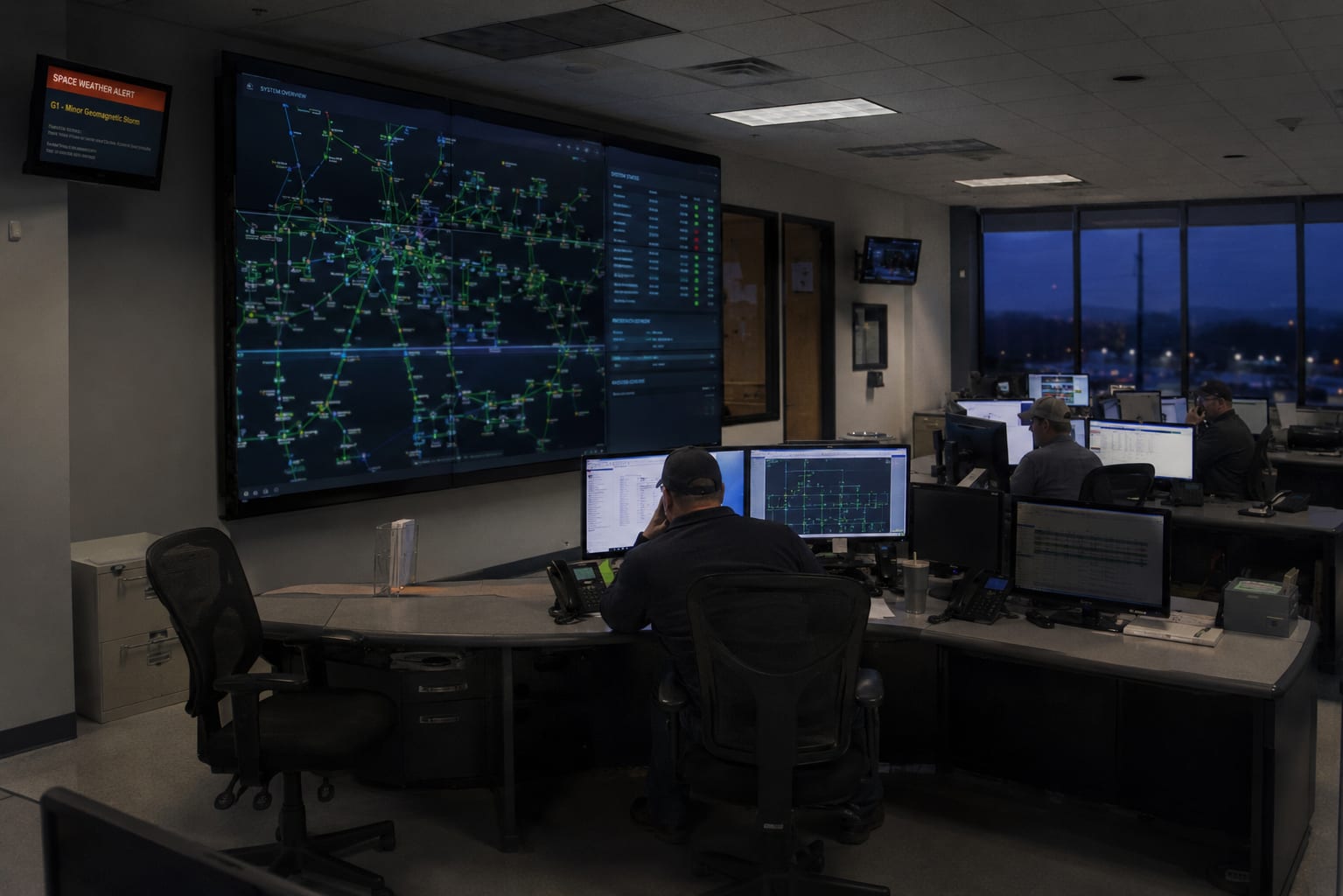
BOULDER, CO — The latest burst of solar activity is drawing attention far beyond astronomy circles, not because scientists expect a catastrophic event, but because it highlights how much of daily life now depends on technology operating far above Earth's surface.
An M9.3 solar flare erupted June 3 from Earth-facing sunspot region AR4455, with early indications that a coronal mass ejection, or CME, may be moving toward Earth. Hours later, the same active region produced an X1-class flare, underscoring the instability of a part of the Sun that researchers have been watching closely as solar activity remains elevated near the peak of Solar Cycle 25.
According to monitoring updates from NOAA’s Space Weather Prediction Center, the main concern is not direct danger to people on the ground but the potential impact on technological systems that can be affected by geomagnetic storms. Satellites, high-frequency radio communications, GPS signals, and some power networks can experience disruptions when charged solar particles interact with Earth's magnetic field. The severity depends largely on the CME’s trajectory and magnetic orientation, factors that often remain uncertain until the solar material is much closer to Earth.
A Growing Infrastructure Question
The event arrives as governments, utilities, airlines, and satellite operators face a growing challenge: modern infrastructure has become increasingly dependent on systems vulnerable to space weather. Commercial aviation relies on navigation and communications links that can be degraded during major geomagnetic disturbances. Satellite constellations support everything from weather forecasting to financial transactions and logistics networks.Scientists have warned for months that the Sun is entering one of the most active periods of the current cycle. NASA and international space weather agencies have documented an increase in large sunspot groups and powerful eruptions as solar maximum approaches. Most events pass with limited consequences, but stronger storms remain possible while activity stays elevated.
Watching the Days Ahead
For now, researchers continue tracking the developing CME and assessing whether it could trigger significant geomagnetic effects later this week. Even if the current event produces only minor disruptions, it serves as another reminder that many of the systems underpinning modern economies depend on conditions that originate nearly 93 million miles away.The immediate threat may prove modest. The broader question—how resilient critical infrastructure would be during a much stronger Earth-directed solar storm—remains unanswered.